
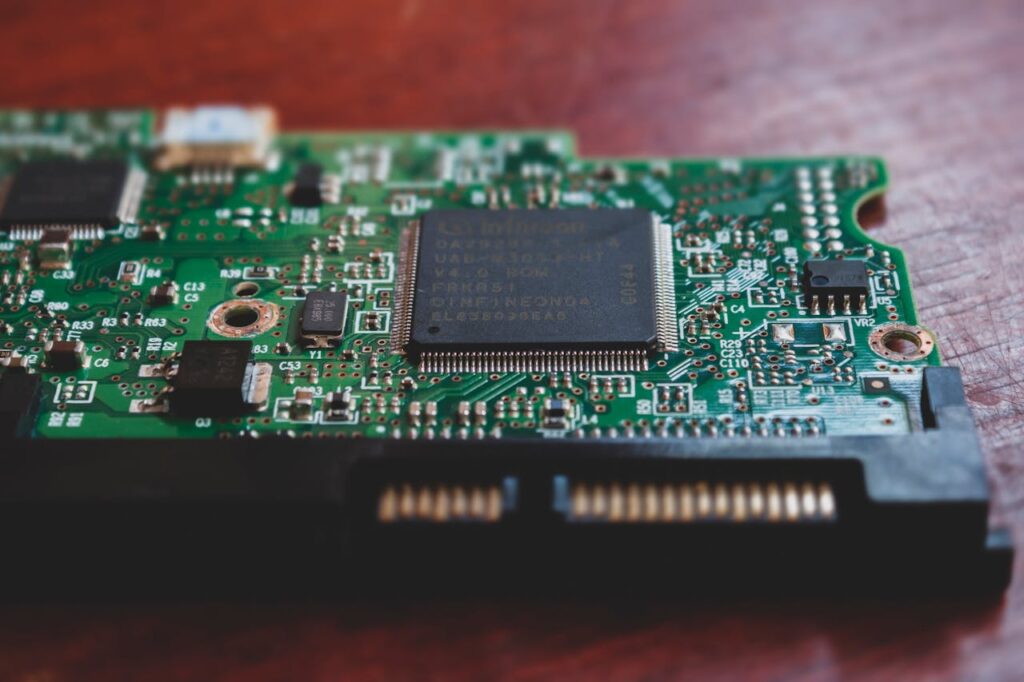
Ah, the smartphone. That sleek, indispensable device you hold in your hand, packed with more computing power than the Apollo moon missions. But what truly makes it tick, allowing you to seamlessly switch between apps, capture stunning photos, or conquer the latest mobile games? The answer lies at its very heart: the Processor, or CPU (Central Processing Unit).
Think of your phone’s processor as its brain. It’s the tiny, incredibly complex chip responsible for executing every single instruction you give your phone, from the simplest tap to the most demanding computational tasks. Without it, your phone would be nothing more than a fancy paperweight.
So, What Exactly Does a Phone Processor Do?
In a nutshell, your phone’s CPU is a master multi-tasker, constantly performing a dizzying array of operations:
- Executing Commands: Every tap, swipe, and voice command translates into instructions that the CPU processes. Want to open Instagram? The CPU handles it. Type a message? The CPU processes each character.
- Running Applications: Whether it’s a social media app, a streaming service, or a productivity tool, the CPU is what allows these applications to function smoothly. It allocates resources, manages data flow, and crunches the numbers needed for the app to display content and respond to your input.
- Managing Data: From loading photos from your gallery to downloading files, the CPU is responsible for moving data around your phone’s various components – RAM, storage, sensors, and more.
- Handling Graphics (with the GPU): While the CPU is the general-purpose brain, it often works hand-in-hand with a Graphics Processing Unit (GPU), which is specifically designed to handle the complex calculations required for rendering visuals on your screen, especially in games and high-resolution videos.
- Processing Signals: Whether it’s your Wi-Fi connecting, Bluetooth pairing, or GPS pinpointing your location, the CPU manages the communication with various radios and sensors.
- Powering AI & Machine Learning: Modern processors often include dedicated neural processing units (NPUs) or specialized AI cores. These work with the CPU to enable smart features like advanced facial recognition, real-time language translation, intelligent camera enhancements (like scene detection or computational photography), and personalized recommendations.
Why Does Your Phone’s Processor Really Matter?
This isn’t just about technical jargon; the processor directly impacts your everyday experience. Here’s why it’s the beating heart of your phone’s performance:
- Speed and Responsiveness: A powerful CPU means your phone feels snappy. Apps open instantly, multitasking is fluid, and there’s no frustrating lag when you’re navigating the interface.
- Gaming Performance: For mobile gamers, the CPU (and its integrated GPU) is critical. A stronger processor means higher frame rates, better graphics quality, and a more immersive gaming experience, allowing you to play the latest demanding titles without stutters.
- Camera Capabilities: Believe it or not, the processor plays a huge role in your phone’s camera quality. It handles complex image processing algorithms, enables features like HDR, Night Mode, portrait mode bokeh, and even allows for high-resolution video recording and editing on the go.
- Battery Life (Efficiency): Modern processors aren’t just about raw power; they’re also designed for efficiency. A well-optimized chip can deliver incredible performance while consuming less power, leading to longer battery life on a single charge.
- Future-Proofing: A robust processor ensures your phone can handle future software updates, new app features, and more demanding tasks that emerge over time. It extends the usable life of your device.
- Advanced Features: Many cutting-edge features, from advanced AI voice assistants to desktop mode capabilities and higher refresh rate displays, are only possible with a capable and modern processor at the helm.
Key Players in the Mobile Processor Arena:
When you look at phone specifications, you’ll often see names like:
- Qualcomm Snapdragon: Dominates the Android flagship and high-end market, known for its strong all-around performance and AI capabilities.
- Apple A-series Bionic: Custom-designed for iPhones, these chips are renowned for their industry-leading single-core performance and deep integration with iOS.
- MediaTek Dimensity: Gaining significant ground, offering powerful performance across various price segments, especially in the mid-range and upper-mid-range.
- Samsung Exynos: Samsung’s in-house chips used in some of their Galaxy devices, often competing with Snapdragon.
- Google Tensor: Custom chips designed specifically for Pixel phones, focusing heavily on AI and machine learning tasks to enhance user experience.
In conclusion, while a phone’s camera, screen, and battery are certainly important, it’s the processor (CPU) that truly orchestrates the entire experience. It’s the silent powerhouse working tirelessly behind the scenes, ensuring that your beloved smartphone is always ready to respond, perform, and keep up with your digital life. So, the next time you’re considering a new phone, don’t just look at the camera megapixels – give a thought to the incredible brain powering it all!
